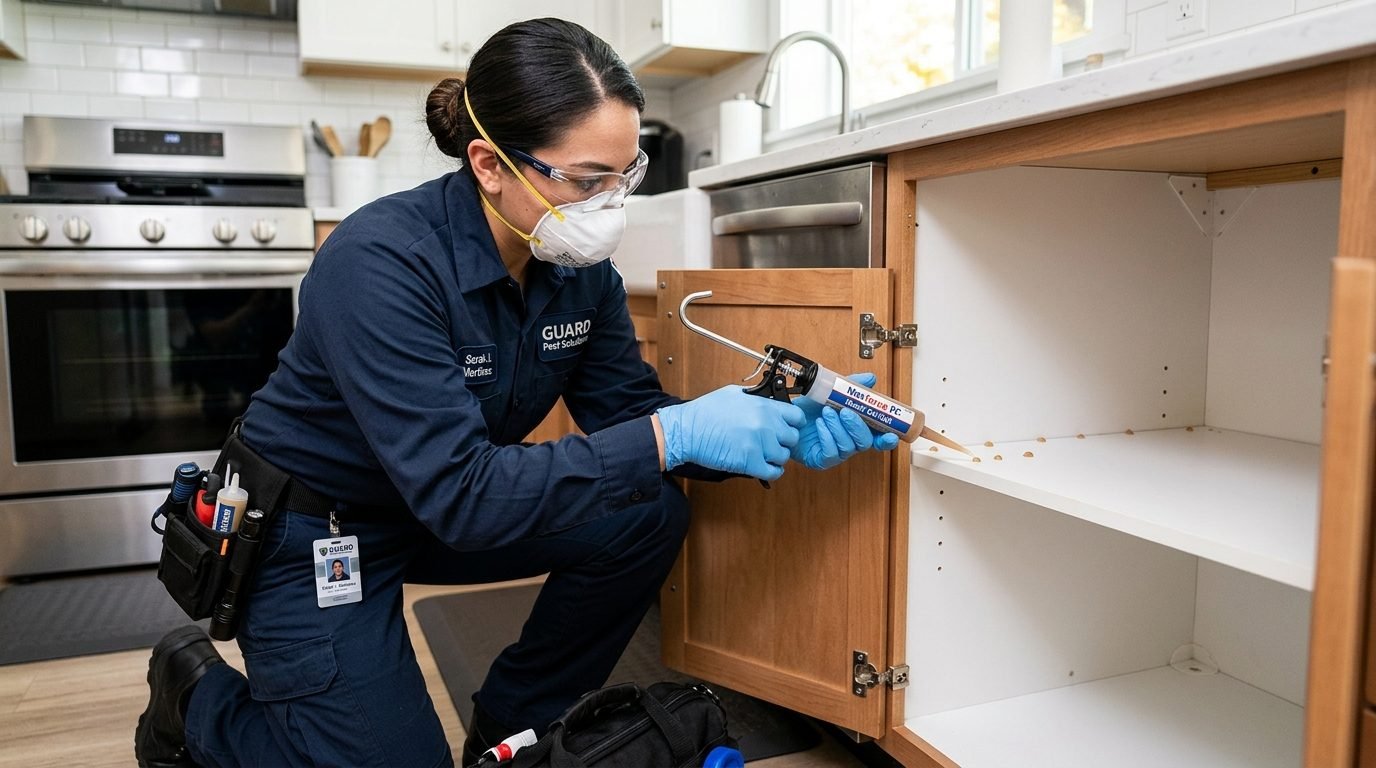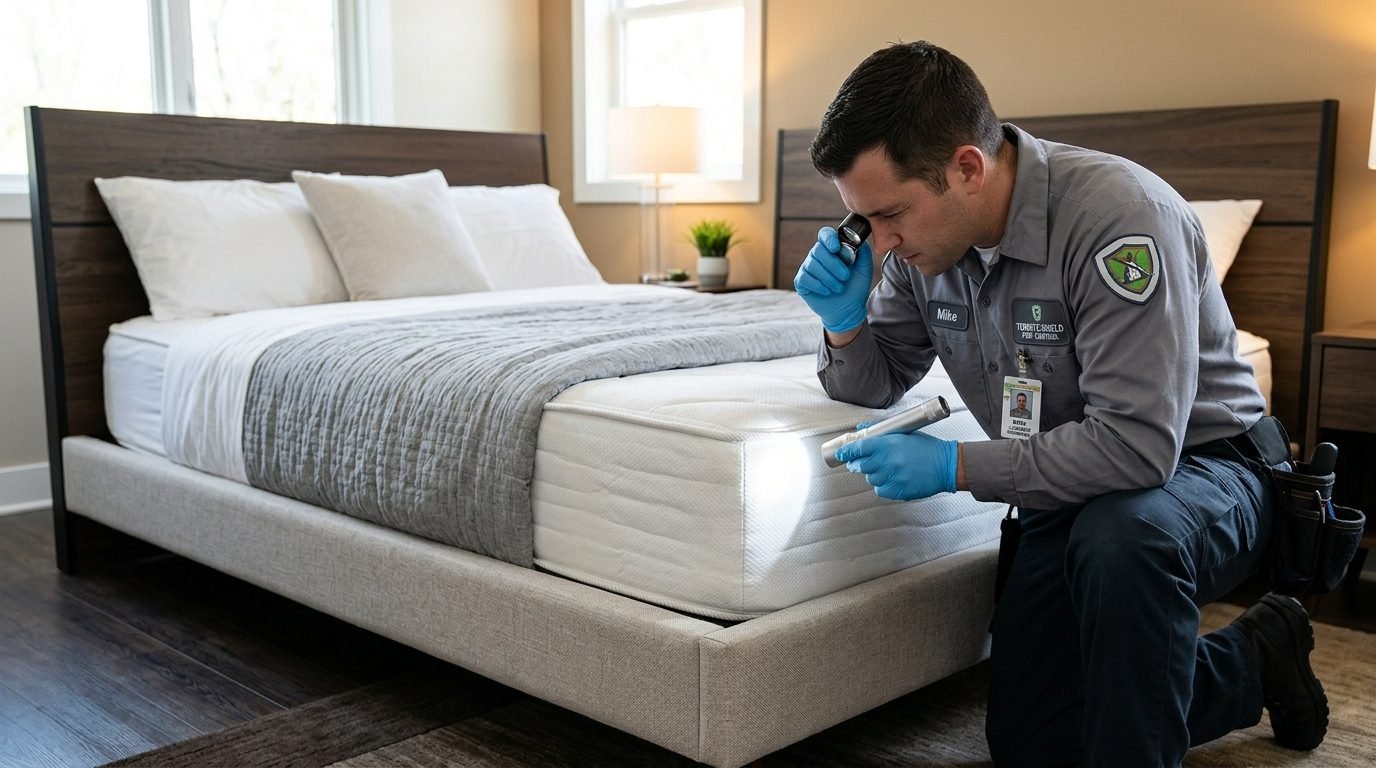
Subterranean termites are widely referred to as "silent destroyers" because they consume cellulose inside timber and masonry from the inside out, leaving the outer veneer looking intact until structural collapse is imminent.
1. Hollow or Papery-Sounding Wood
Termites consume timber from within, leaving only a thin outer layer of wood or just the paint layer. When you gently tap door frames, window sills, or modular cabinets with a screwdriver handle, affected areas will produce a distinctive hollow, papery sound.
2. Mud Shelter Tubes on Walls & Skirting
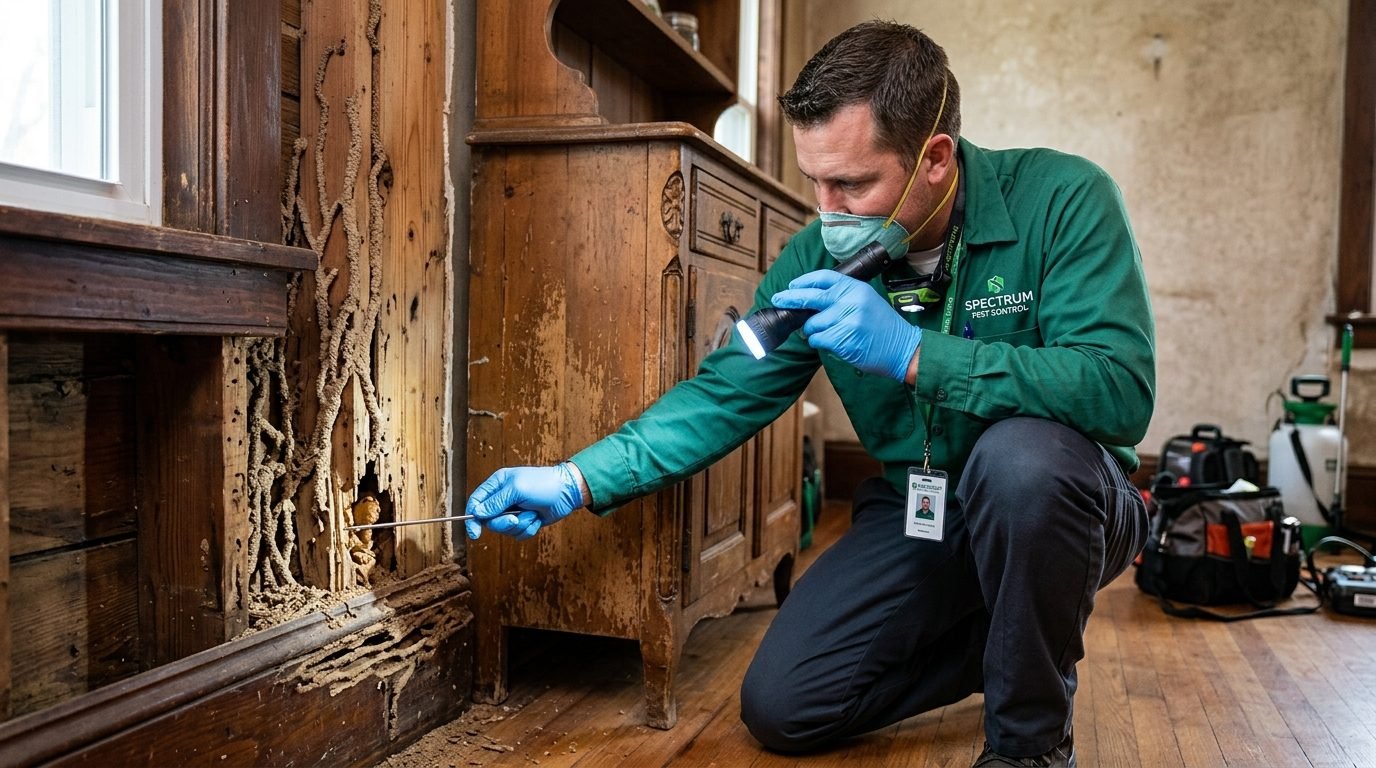
Subterranean termites require constant moisture and humidity to survive. To travel across open masonry, RCC columns, or marble flooring, they construct pencil-thin shelter tubes made of soil, wood particles, and saliva. Spotting these brown mud tracks along wall skirting is an undeniable sign of an active colony.
3. Discarded Swarmer Wings
During humid pre-monsoon and monsoon evenings, reproductive alates (winged termites) swarm to mate and start new colonies. Soon after landing, they shed their wings. Finding piles of uniform, translucent wings on window sills, light fixtures, or balcony ledges confirms termites are nearby.
4. Tight-Fitting Doors & Sticking Windows
As termite colonies bore tunnels inside wooden door frames and timber studs, the moisture they produce causes timber to expand and warp. If doors or window casements suddenly become stiff or difficult to open, inspect the hinges and jambs immediately.
5. Termite Frass (Wood Droppings)
Drywood termites push small fecal pellets out of their galleries through tiny kick-out holes. This frass resembles small heaps of sawdust, sand grains, or ground pepper beneath wooden wardrobes and bookshelves.
6. Blistering or Sagging Laminate Flooring
Termites feeding beneath wooden parquet or laminate flooring boards eat through the substructure, causing blistering and soft depressions underfoot that mimic water damage.
7. Soft Rustling or Clicking Sounds Inside Walls
When disturbed, soldier termites bang their heads against tunnel walls to warn the colony, producing faint clicking or rustling noises audible during quiet nighttime hours.
Standard DIY sprays only kill visible foraging workers while leaving the underground queen laying thousands of eggs daily. The permanent solution is Govt. Approved Drill-Fill-Seal chemical barrier treatment.