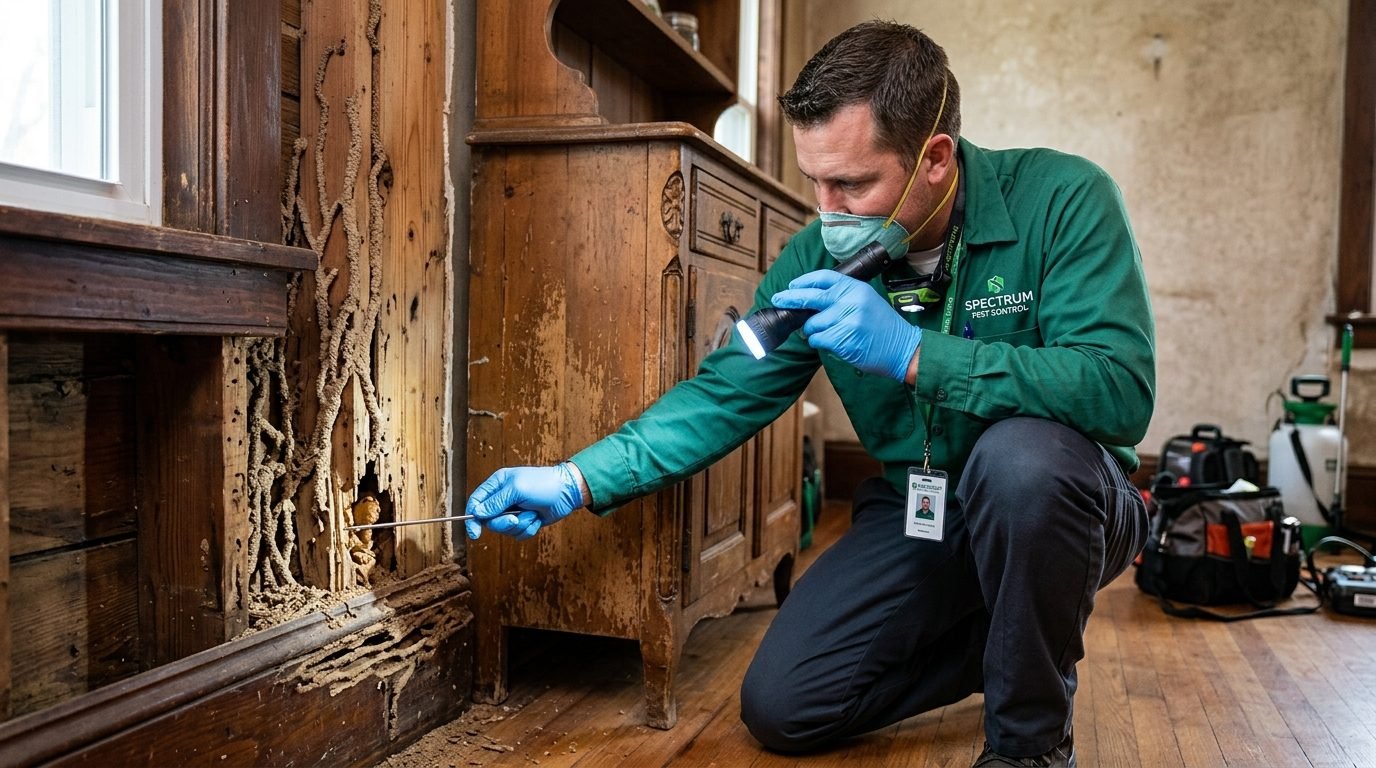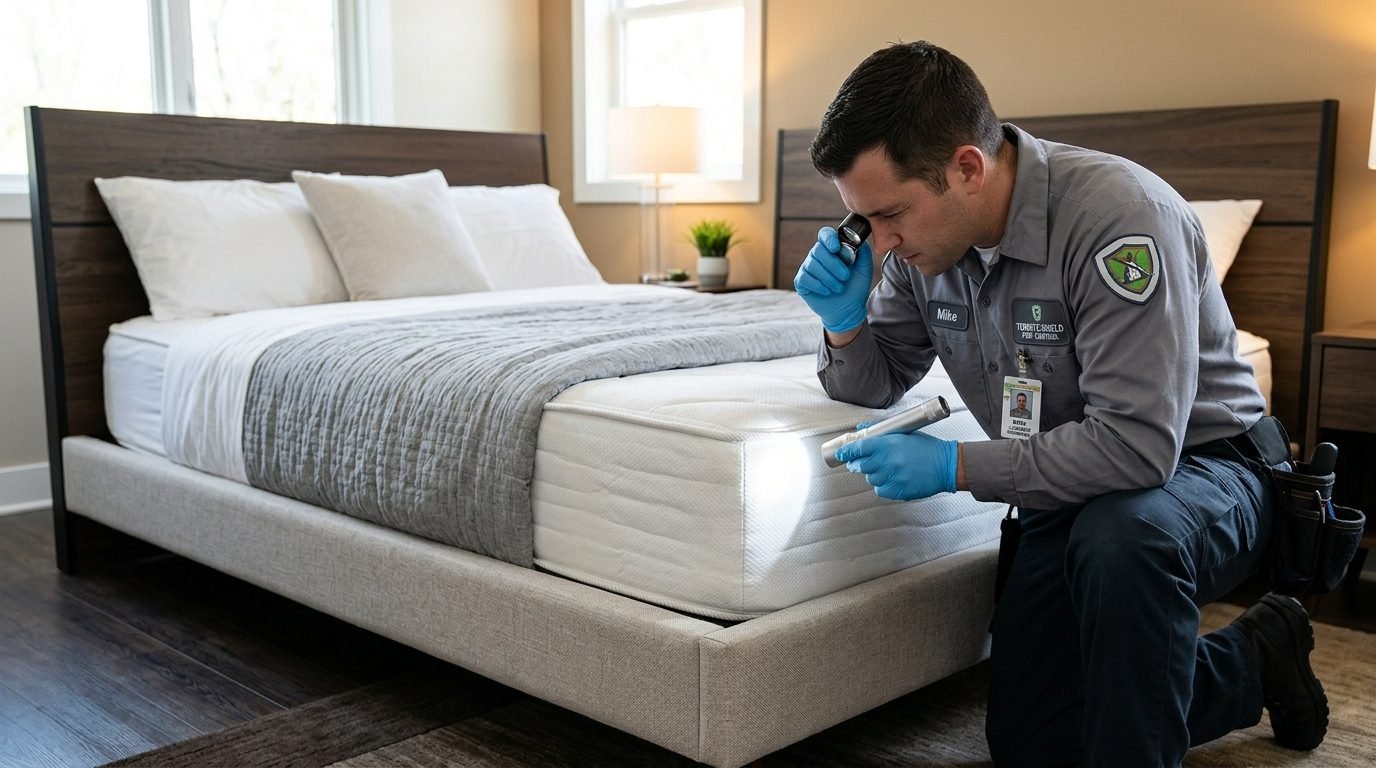
German cockroaches (Blattella germanica) are among the most persistent household pests in urban kitchens. Finding the right balance between rapid elimination and family safety is paramount.
The Drawbacks of Conventional Chemical Sprays
For decades, aerosol fogging and strong-smelling chemical sprays were the default pest control method. However, they present significant disadvantages:
- Food Contamination: Liquid spray droplets disperse across kitchen countertops, cutlery, spices, and appliances.
- Strong Chemical Fumes: Family members, toddlers, and pets must evacuate the premises for 4 to 6 hours.
- Colony Scattering: Repellent sprays cause cockroaches to scatter deeper into wall cavities and false ceilings, multiplying the problem.
How Odorless Gel Baiting Works (The Cascade Effect)
Modern professional pest management uses advanced bait matrices containing specialized active ingredients like Fipronil or Imidacloprid:
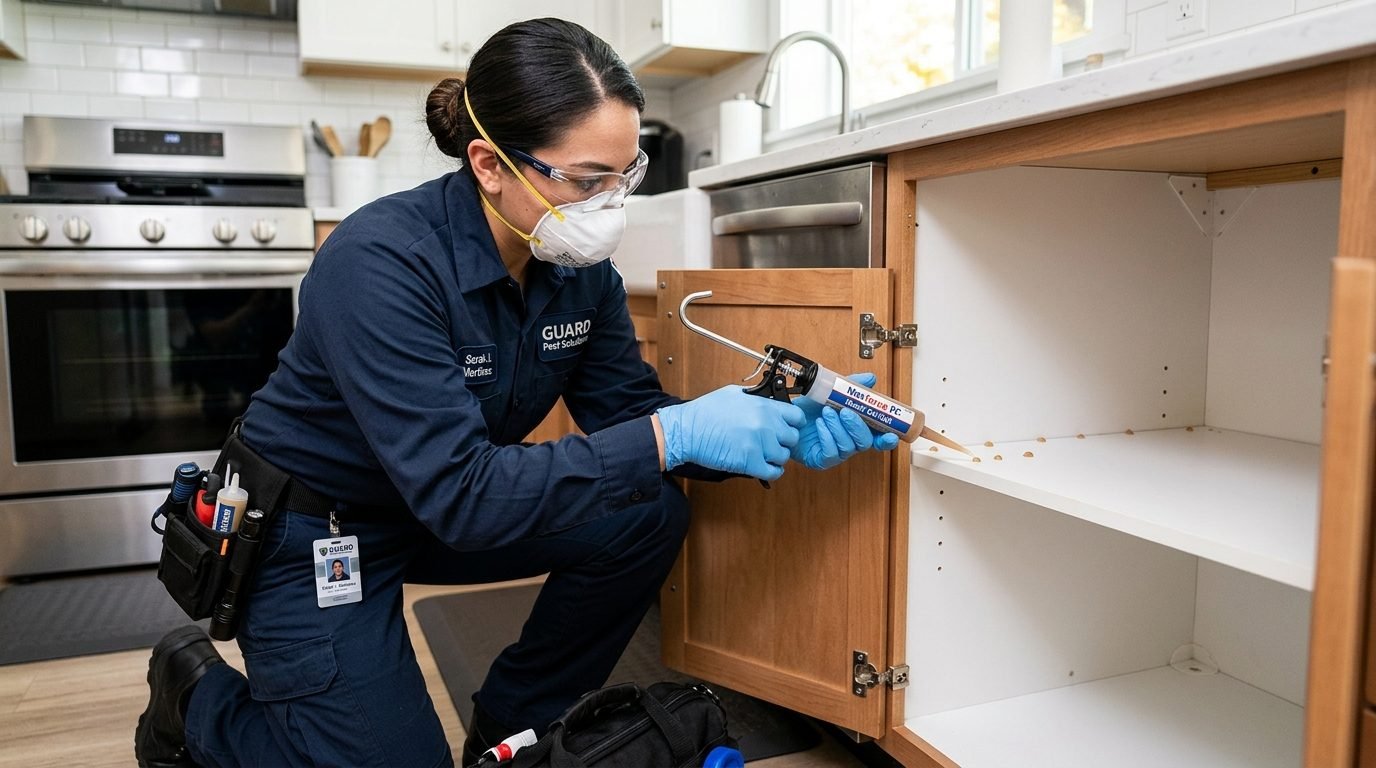
- Targeted Micro-Dots: Technicians place tiny, discreet gel dots inside cabinet hinges, under sink rims, refrigerator motor compartments, and drawer tracks.
- High Attractiveness: The protein-sugar formula draws roaches even in the presence of competing food sources.
- The Domino / Cascade Eradication: Cockroaches eat the bait and return to their hidden nest before dying. Because roaches are cannibalistic, other nymphs and adults feed on the poisoned carcass, wiping out the entire hidden colony.
Zero Disruption Guaranteed
Gel treatment requires no kitchen emptying, no room evacuation, and is 100% safe for pregnant women, infants, and pets.